How to Choose the Right Materials for Your Sidewalk Cellar Door in Brooklyn

Professional service in Brooklyn.

Steel Masters NYC

Choosing the right materials for a sidewalk cellar door is one of the most consequential decisions a Brooklyn property owner can make. The cellar door sits at the intersection of pedestrian safety, building code compliance, and long-term structural integrity — all in one of the most demanding urban environments in the country. Property managers and homeowners across Kings County deal with constant foot traffic, freeze-thaw cycles, salt exposure from winter de-icing, and the weight loads imposed by delivery vehicles and pedestrians every day. Getting the material choice wrong means premature corrosion, structural failure, costly repairs, and potential liability for sidewalk accidents.

The materials used in sidewalk cellar door construction have evolved significantly since the mid-20th century, but the core requirements have not. A cellar door must be strong enough to bear dynamic loads, slip-resistant to protect pedestrians in wet conditions, corrosion-resistant enough to last decades in Brooklyn's climate, and compliant with New York City Department of Buildings specifications. Understanding the trade-offs between different steel grades, gratings, frame materials, and surface treatments empowers property owners to make informed decisions — and to ask the right questions when hiring a steel fabricator.

Brooklyn's varied building stock adds another layer of complexity. A brownstone in Park Slope may need a cellar door sized and detailed to match historic architectural guidelines, while a commercial property in Sunset Park or East Williamsburg might require a heavy-duty industrial specification. ZIP code 11212 and surrounding neighborhoods like Brownsville and Crown Heights have pre-war properties with cellar openings that demand custom fabrication, not off-the-shelf replacement units. Only a metal fabricator with genuine in-house production capabilities can deliver the right solution for each unique opening.

Brooklyn property owners who invest time in understanding material options before meeting with a contractor arrive at the negotiating table with confidence. Knowing the difference between A36 structural steel and higher-strength grades, understanding the role of hot-dip galvanizing versus powder coating, and recognizing the load-rating requirements for your sidewalk zone helps you evaluate competing proposals fairly and ensures the final installation meets both your budget and your building's long-term needs.

Address

Steel Masters NYC

135 Liberty Ave, Brooklyn, NY 11212

Phone

(888) 577-8335

Website

https://www.steelmastersnyc.com/

Current Weather in Brooklyn

Brooklyn — Wikipedia

Structural Steel — Wikipedia

Google Maps — Steel Masters NYC

Driving Directions

Steel Masters NYC: Expert Sidewalk Cellar Door Installation Across Brooklyn

Steel Masters NYC has been the go-to steel fabricator for sidewalk cellar door installation throughout Brooklyn since 1972. Operating from 135 Liberty Ave, Brooklyn, NY 11212, the company fabricates all cellar door components in-house — frames, grating panels, hinges, and locking hardware — ensuring precise fit, full DOB compliance, and the material quality that Brooklyn's demanding climate requires. With over five decades of hands-on experience and a client base that spans residential brownstones to large commercial properties across Kings County, Steel Masters NYC brings proven expertise to every cellar door project.

Steel Masters NYC

Learn how to choose the right iron works contractor in Brooklyn
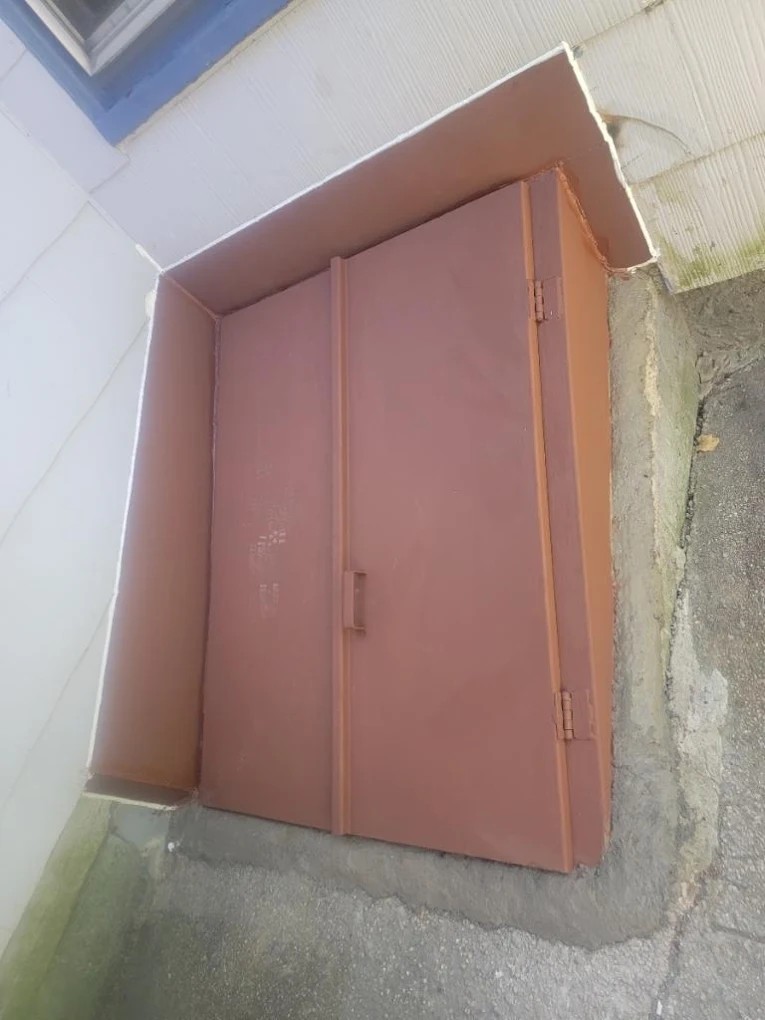
Steel cellar door grating fabricated by Steel Masters NYC in Brooklyn, NY

What Steel Grade Is Best for a Brooklyn Sidewalk Cellar Door?

The choice of steel grade directly affects the load capacity, corrosion resistance, and longevity of your cellar door installation. ASTM A36 structural steel is the workhorse of the industry — widely available, cost-effective, and fully adequate for most residential sidewalk applications when properly coated. For high-traffic commercial properties in Brooklyn's busier corridors, higher-strength grades like A572 Grade 50 offer increased yield strength without a significant weight penalty. sidewalk cellar door installation specialists at Steel Masters NYC assess your specific sidewalk zone, traffic patterns, and vehicle loading to recommend the correct grade for your project, ensuring both structural adequacy and long-term value.

Hot-Dip Galvanizing vs. Powder Coating: Which Protects Better in Brooklyn?

Surface treatment is arguably as important as steel grade selection for cellar door longevity in Brooklyn's climate. Hot-dip galvanizing — a process in which fabricated steel components are immersed in molten zinc — creates a metallurgically bonded barrier that resists corrosion from the inside out. It is the preferred choice for cellar doors on commercial properties and for any installation near salt-treated sidewalks. Powder coating offers a wider range of color options and a smoother aesthetic finish, making it popular for residential brownstone applications in neighborhoods like Park Slope and Carroll Gardens. Many Brooklyn property owners choose a combination of both: hot-dip galvanizing as a base treatment, with powder coat applied over top for added UV resistance and visual appeal. Steel Masters NYC fabricates to either specification and can advise on the best treatment strategy for your property's specific exposure conditions.
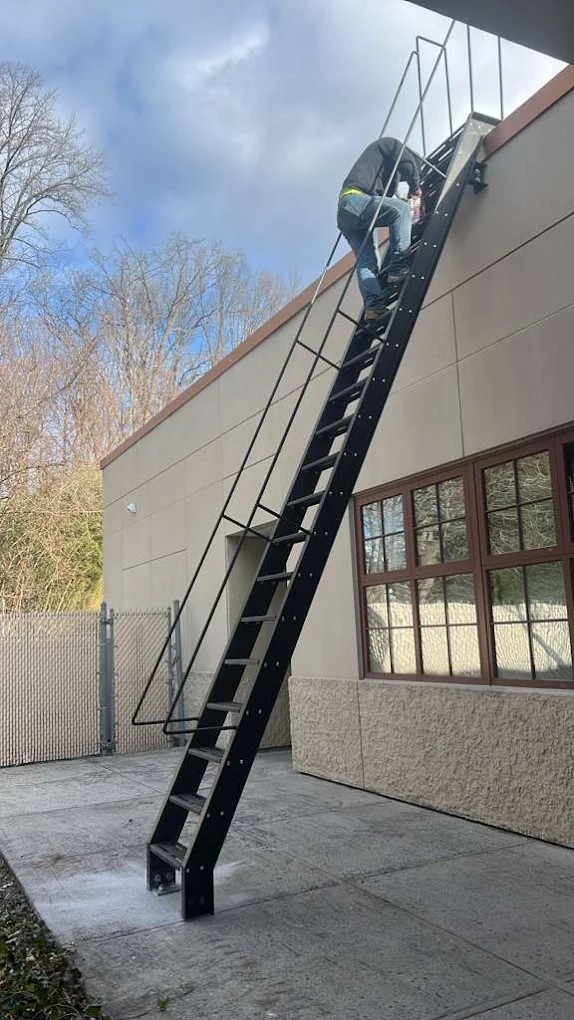
Custom sidewalk cellar door with serrated grating installed in Brooklyn, NY

What Grating Pattern Provides the Best Slip Resistance for Sidewalk Cellar Doors?

Slip resistance is a pedestrian safety requirement and a building code mandate in New York City. The most common grating options for sidewalk cellar doors include open bar grating, serrated bar grating, and checker plate steel panels. Open bar grating provides maximum drainage and adequate slip resistance in most conditions but can catch high heels and narrow shoe soles — a consideration for properties in pedestrian-dense areas. Serrated bar grating offers superior slip resistance in wet conditions and is recommended by NYC DOB for high-traffic pedestrian zones throughout Brooklyn. Checker plate is preferred when vertical clearance beneath the door is limited and drainage is managed separately. metal fabricators Brooklyn at Steel Masters NYC fabricate all three grating types to order, custom-sized to your specific cellar opening dimensions.

How Does Brooklyn's Weather Affect Cellar Door Material Selection?

Brooklyn's climate subjects cellar doors to freeze-thaw cycles, road salt exposure, heavy rainfall, and summer humidity — a combination that accelerates corrosion in insufficiently treated steel and degrades poorly designed hinge and latch mechanisms. Frame connections and hinges are particularly vulnerable: water infiltrating an improperly sealed frame joint will freeze and expand during winter, eventually cracking welds or displacing the frame from the surrounding concrete. Specifying stainless steel hardware for hinges and locking components adds material cost upfront but dramatically reduces maintenance and replacement expenses over a 20- to 30-year service life. Steel Masters NYC's fabrication specifications account for Brooklyn's climate demands in every component of the cellar door assembly.

What Are the NYC DOB Requirements for Sidewalk Cellar Doors in Brooklyn?

New York City's Department of Buildings regulates cellar door installations as part of the broader sidewalk and vault regulations under the NYC Building Code. Key requirements include minimum load ratings for the door panels (typically 300 lbs per square foot for pedestrian zones), slip-resistant surfaces, proper drainage provisions, and secure locking mechanisms that prevent unauthorized access. Properties in flood-prone areas — portions of Red Hook, Canarsie, and coastal Flatlands — may face additional waterproofing and elevation requirements under post-Sandy floodplain management rules. Any cellar door replacement or new installation requires a DOB permit, and inspections are required before the work can be signed off. Steel Masters NYC handles the full permitting and inspection process for all cellar door projects in Brooklyn.

Choosing Cellar Door Materials in Flatbush and Surrounding Neighborhoods

Property owners in Flatbush, Kensington, and Borough Park deal with some of Brooklyn's highest pedestrian traffic volumes, which makes material selection and installation quality particularly critical. Heavy foot traffic accelerates surface wear and increases the risk of grating failure if the original specification was marginal. In these neighborhoods, Steel Masters NYC typically recommends a heavier bar grating specification with hot-dip galvanizing and urethane top coating — a combination that provides decades of reliable service without frequent maintenance interventions. Our fabrication team custom-sizes every cellar door panel to fit the actual opening dimensions, eliminating the gaps and misalignments that allow water infiltration and create tripping hazards.

Steel Masters NYC

Explore Brooklyn

From Long Island City

From Flatbush

From Brooklyn Navy Yard

From Flushing (Queens)

From Woodside

Areas We Serve

Steel Masters NYC serves customers throughout Brooklyn and Kings County, including Flatbush, Crown Heights, Bushwick, Williamsburg, Sunset Park, East New York, Brownsville, and Canarsie. Whether you are in Greenpoint or Bay Ridge, our metal fabrication team is nearby and ready to help with your cellar door installation project.

Frequently Asked Questions

The cost of a sidewalk cellar door installation in Brooklyn typically ranges from $2,500 to $8,000 depending on the size of the opening, the steel grade and surface treatment specified, the complexity of the frame connection to the surrounding sidewalk, and DOB permitting fees. Custom fabrication for irregular openings or historic properties in neighborhoods like Park Slope or Brooklyn Heights adds to the total. Steel Masters NYC provides detailed written estimates after a site visit so there are no surprises.

A properly fabricated and maintained steel cellar door in Brooklyn should last 25 to 40 years. Hot-dip galvanized components at the upper end of that range. Annual inspection of hinge mechanisms, locking hardware, and frame-to-concrete seals — and prompt repair of any corrosion spots — significantly extends service life. Steel Masters NYC fabricates all components to commercial-grade standards that hold up under Brooklyn's demanding climate conditions.

Yes. Steel Masters NYC manages the full DOB permit application, plan review coordination, and final inspection process for all sidewalk cellar door installations in Brooklyn and throughout the five boroughs. Property owners are not required to navigate city bureaucracy themselves. The permitting timeline typically adds two to four weeks to the project schedule, which is factored into our project planning from the outset.

A replacement cellar door involves removing the existing door assembly and installing a new fabricated unit in the existing frame — the simpler and less costly option. A full new installation requires excavating or modifying the vault opening, constructing a new steel frame anchored to the surrounding sidewalk structure, and then installing the door assembly. Full new installations are more complex and may require additional DOB approvals. Steel Masters NYC handles both types of projects throughout Brooklyn's Kings County neighborhoods.

Yes. Steel Masters NYC has extensive experience fabricating cellar doors that complement the architectural character of Brooklyn's historic brownstones in neighborhoods like Park Slope, Carroll Gardens, and Cobble Hill. Custom panel dimensions, decorative frame profiles, and period-appropriate surface finishes can all be incorporated. Where Landmark Preservation Commission approval is required, our team prepares the necessary documentation and coordinates directly with LPC staff.